
Sociopath Narcissist: Key Traits, Behaviors, and Differences


Introduction
If you have ever felt like you were dealing with someone who is simultaneously incredibly charming and deeply unsettling, you might have heard the term “narcissistic sociopath” thrown around. It is a heavy label, often used to describe people who seem to possess a chilling combination of grandiosity and a total lack of conscience. While this specific phrase isn’t a formal clinical diagnosis found in the DSM-5, it serves as a practical way to describe an individual who exhibits overlapping traits from two different personality disorders: Narcissistic Personality Disorder (NPD) and Antisocial Personality Disorder (ASPD) 1.
Understanding this dynamic is vital because the behavior patterns associated with these combined traits can be profoundly damaging to relationships, workplaces, and personal well-being. Rather than looking at these as two separate people, it is more helpful to view them as a spectrum of behaviors where the need for admiration meets a fundamental disregard for the rights and feelings of others.
Understanding the Difference: Narcissism vs. Sociopathy

To recognize a “narcissistic sociopath,” it helps to first understand the two distinct engines driving their behavior. While they often appear together, the underlying motivations differ significantly.
| Feature | Narcissistic Traits (NPD) | Sociopathic Traits (ASPD) |
|---|---|---|
| Primary Driver | A need for admiration, validation, and a sense of superiority 1. | A desire for power, control, or personal stimulation 1. |
| Public Image | Works hard to maintain a specific, often “perfect” or high-status image 1. | Often shows less concern for social norms or how others perceive them 1. |
| Manipulation Goal | Used to gain praise, attention, or to bolster a fragile ego 1. | Used for personal gain, pleasure, or simply because they can 1. |
| May have a lack of empathy, but often seeks social connection through status. | Characterized by a pervasive disregard for the feelings and rights of others 1. |
Common Traits and Observable Behaviors
When these two sets of traits merge, the resulting behavior pattern can be complex. These individuals often present a “mask”—a carefully constructed persona that hides a much darker reality 1. Here are the key signs to look for in real-world interactions:
- The Grandiose Mask: They often appear exceptionally charismatic, charming, or even incredibly wholesome and charitable. This is frequently a strategic tool used to build a reputation that facilitates future manipulation 1.
- Lack of Moral Boundaries: A significant red flag is the absence of remorse or guilt. After causing harm or deceiving someone, they may show no regret and may even feel a sense of satisfaction from the act 1.
- Exploitative Relationship Patterns: They tend to view people as “useful” rather than as individuals. They may seek out codependent or highly empathetic people to control through guilt, shame, or fear, only to “discard” them once the person no longer provides value 1.
- Emotional Limitation: While they may experience “narcissistic rage”—intense, disproportionate anger when they feel slighted or challenged—they typically lack the capacity for deep, vulnerable emotions like genuine affection, love, or sadness 1.
- The Drive for Power and Control: They often refuse to acknowledge authority, laws, or social rules that do not serve their immediate interests 1.
- Impulsivity and Boredom: A constant need for stimulation can lead to reckless behaviors, such as substance abuse or high-risk activities, often driven by an inability to tolerate boredom (1, 2).
- Internal Fragility: Despite an outward appearance of extreme confidence, these individuals are often internally fragile, frequently experiencing feelings of emptiness, anxiety, or depression (1, 2).
How does a sociopathic narcissist behave in relationships?
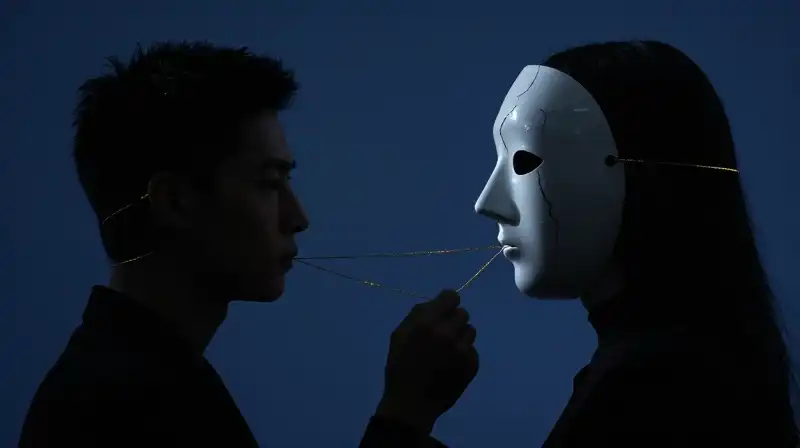
In a relationship context, the behavior usually follows a predictable and exhausting cycle. It often begins with “love bombing,” where the individual is intensely attentive and charming to secure a connection. However, once the bond is established, the dynamic shifts toward control. Because they lack a standard moral compass, they may use gaslighting, intimidation, or emotional volatility to keep their partner off-balance. In private settings, the “charming” mask often slips, revealing a persona that can be demeaning, abusive, or even violent, especially if they feel their status or ego is being threatened (1, 2).
Are narcissistic sociopaths dangerous?
The level of danger varies significantly from person to person. While not everyone with these traits will engage in physical violence, the psychological danger is high. The pattern of exploitation, emotional manipulation, and the total lack of empathy can lead to severe psychological trauma for those in their orbit. Furthermore, their impulsivity and disregard for social rules can occasionally manifest in more overt, high-risk, or illegal behaviors (1, 2).
Identifying Patterns: A Practical Takeaway

It is important to remember that recognizing these traits is not the same as providing a medical diagnosis. Only a trained professional can diagnose personality disorders. However, recognizing these patterns in your own life is a vital tool for self-protection.
If you are observing these behaviors, focus on the impact rather than the intent. You may find yourself trying to rationalize their behavior or “help” them through their emptiness, but if a relationship is characterized by a lack of respect, constant manipulation, and a refusal to acknowledge your boundaries, the pattern itself is the most important piece of information you have. The most effective way to handle these dynamics is often to establish firm boundaries, limit contact, and seek support from mental health professionals to process the experience.
References
Footnotes
Frequently Asked Questions
How does a sociopathic narcissist behave?
A sociopathic narcissist often uses a charismatic or charming mask to hide a lack of remorse, moral boundaries, and a disregard for the rights of others. They tend to be exploitative and manipulative, seeking power and control while viewing people as tools to be used or discarded.
Related Articles